 (778) 850-0535
 3056 Glen Dr #104, Coquitlam, BC V3B 0V1
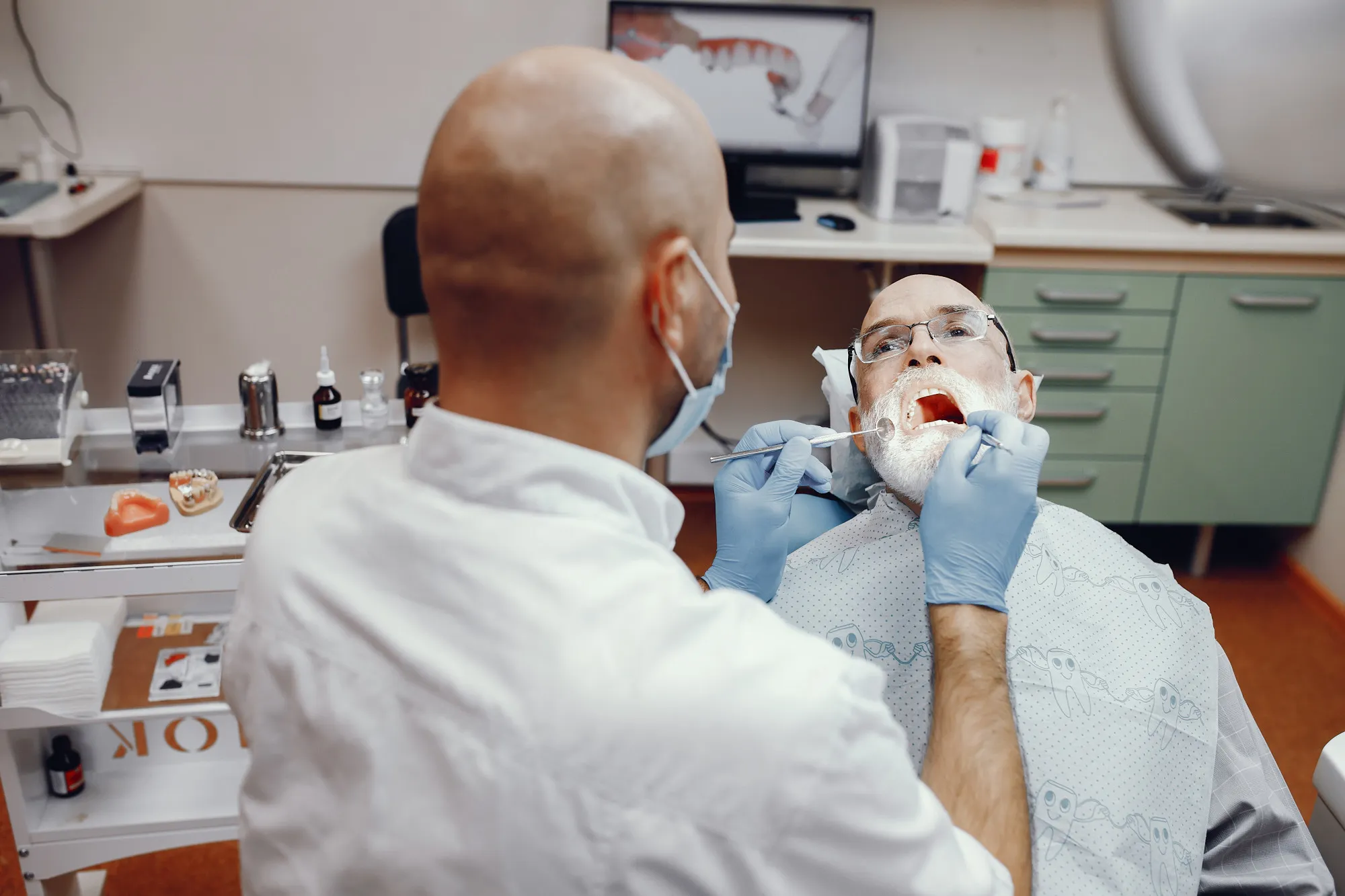
Have you been told that you may need a root canal because your tooth is infected or damaged? It is normal to feel worried, especially if you are concerned about pain or recovery. Today, modern dental tools and techniques can make root canal treatment more comfortable and easier to manage. With local anesthesia, improved tools, and careful planning, root canal treatment in Coquitlam can treat the problem and help save your natural tooth when possible.
Understanding what modern treatment involves can also help you feel more prepared for your dental care.
What Is Modern Root Canal Treatment?
A root canal is needed when the soft tissue inside a tooth becomes infected or badly damaged. The treatment removes the damaged tissue, cleans the inside of the tooth, and seals it to help stop further infection.
Treatment may include:
- Checking the tooth.
- Numbing the area with local anesthesia.
- Removing infected tissue.
- Cleaning and shaping the inside of the tooth.
- Filling and sealing the tooth.
- Adding a filling or crown when needed.
The main goal is to treat the problem and save the natural tooth when possible.
How Does Modern Root Canal Treatment Improve Patient Comfort?
The key to how modern root canal treatment improves patient comfort is the use of improved techniques and tools that allow treatment to be carried out with greater control.
Several factors can make the experience more comfortable:
- Effective local anesthesia helps numb the treatment area.
- Modern instruments allow more precise cleaning.
- Better imaging can help identify the shape and condition of the tooth.
- Careful treatment planning can make appointments more efficient.
- Gentle techniques can reduce unnecessary pressure and irritation.
These improvements can help reduce discomfort during treatment and make the overall experience easier to manage.
Is Modern Root Canal Treatment Painful?
One of the biggest concerns about root canal care is pain. In most cases, local anesthesia is used to numb the tooth and surrounding area before treatment begins. This means the treatment itself should not be expected to cause significant pain, although some pressure or movement may be felt.
You may have mild soreness or sensitivity after treatment. This usually gets better with time. Following your dentist’s care instructions can help you recover smoothly.
If you are considering root canal treatment near you, discussing concerns about comfort before treatment can help you understand what to expect.
What are the Benefits of Modern Root Canal Treatment?
The benefits of modern root canal treatment go beyond comfort. When a tooth can be treated successfully, root canal care may help avoid removing the natural tooth.
Potential benefits include:
- Helps preserve the natural tooth.
- Removes infected tissue from inside the tooth.
- Helps stop the spread of infection.
- Restores the tooth’s ability to function.
- Can reduce pain caused by an infected or damaged tooth.
- May prevent the need for tooth removal in suitable cases.
Preserving a natural tooth can also help maintain normal chewing and support the surrounding teeth.
How Long Does a Root Canal Procedure Take?
The time needed for a root canal depends on the tooth, the number of roots, and how serious the infection is. Some root canals can be done in one visit, while others may need more than one appointment.
A dentist in Coquitlam can assess the tooth and explain how many appointments may be needed. A proper examination helps create a treatment plan based on the individual condition of the tooth rather than using the same timeline for every patient.
What Happens After Root Canal Treatment?
After treatment, the tooth may need a permanent restoration to protect it from further damage. A filling or crown may be recommended depending on how much healthy tooth structure remains.
After treatment, it is helpful to:
- Follow the recommended aftercare instructions.
- Avoid chewing hard foods on the treated tooth until it is fully restored.
- Keep brushing and flossing regularly.
- Attend any recommended follow-up visits.
- Contact a dental professional if severe or persistent symptoms develop.
Good care after treatment can help protect the restored tooth and support long-term oral health.
Why Is Professional Care Important for Patient Comfort?
Comfort during root canal treatment depends on more than the equipment used. Careful diagnosis, appropriate treatment planning, effective anesthesia, and clear communication all play important roles.
A dental clinic near you can evaluate symptoms such as ongoing tooth pain, prolonged sensitivity, swelling, or discomfort when biting. Early assessment may help determine whether the tooth needs root canal treatment or another type of dental care.
Ignoring symptoms may allow an infection or tooth damage to become more serious, which can make treatment more complicated.
Take the Next Step Toward Comfortable Dental Care!
Modern root canal treatment has become more focused on patient comfort, precise care, and preserving natural teeth. With effective numbing, improved tools, and careful techniques, treatment can help address infection while restoring the tooth’s function.
Ready to learn whether root canal treatment is right for your tooth? Book your appointment with Lafarge Dental for personalized care and guidance based on your dental needs.
FAQs
Is modern root canal treatment painful?
Local anesthesia is used to numb the area. You may feel some pressure, but major pain is not expected. Mild soreness may happen afterward.
How long does a root canal take?
It depends on the tooth and the treatment needed. Some root canals take one visit, while others may need more.
What are the benefits of modern root canal treatment?
It can remove infection, reduce pain, save the natural tooth, and help restore normal function. It may also prevent tooth removal.
How should I care for my tooth after a root canal?
Follow your dentist’s care instructions, brush and floss daily, and avoid putting too much pressure on the treated tooth until the final restoration is placed.