 (778) 850-0535
 3056 Glen Dr #104, Coquitlam, BC V3B 0V1
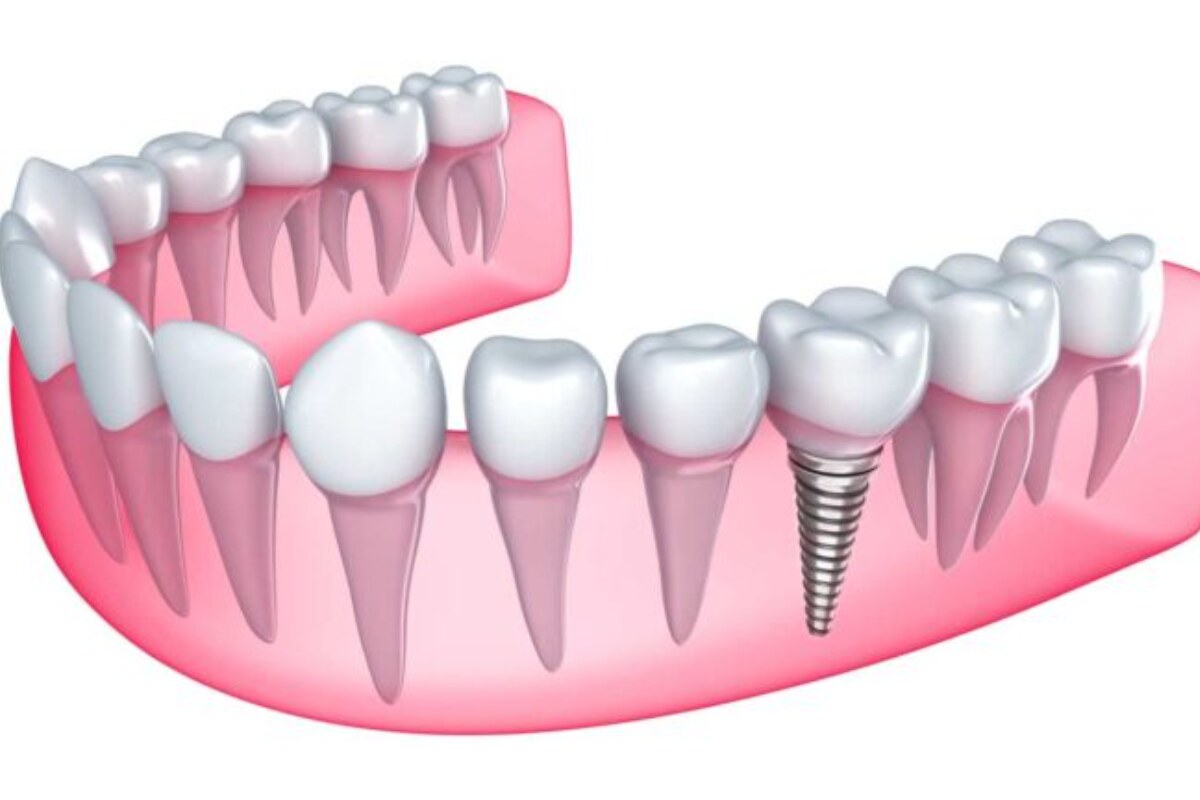
Looking to replace missing teeth? Dental implants in Coquitlam offer a natural appearance and strong support that can last for years. Even though success rates are high, implants may occasionally fail, so knowing what can go wrong and how to prevent it is key to protecting your smile.
What are Dental Implants and How Do They Work?
Dental implants are titanium posts that a dentist places in the upper or lower jaw.
- The bone fuses with the artificial root through a process called osseointegration.
- When they succeed, implants return chewing ability, speech, and looks.
While implants are generally safe, issues can arise if the bone, surrounding tissues, or the healing process is compromised.
What are the Common Reasons Implants Fail?
If you notice problems with your implant, it may be due to common reasons for implant complications, such as:
| Reason | Explanation |
| Infection at the implant site | Bacteria can enter the surgical site and cause peri-implantitis, which affects the bone and gum tissue. |
| Poor bone quality or insufficient bone | Implants need strong, dense bone to stay stable. Weak bone may not adequately support the implant. |
| Overloading the implant | Putting too much pressure on the implant too soon can prevent proper healing. |
| Medical conditions | Diseases like diabetes or conditions affecting the immune system can slow healing. |
| Smoking or tobacco use | Nicotine reduces blood flow, making it harder for the implant to integrate with the bone. |
These factors highlight why a thorough evaluation by a dentist in Coquitlam before surgery is essential.
Who is at Higher Risk for Implant Failure?
Some people face more challenges with implants due to factors that increase the risk of implant failure:
- Smokers or tobacco users.
- Individuals with uncontrolled diabetes or immune system disorders.
- Patients with bone loss or gum disease.
- People who grind or clench their teeth (bruxism).
Knowing these risks can help you and your dental team plan a safer, more effective treatment.
How Can You Prevent Problems After Implant Surgery?
Taking the proper steps after surgery is key. Here’s how to prevent problems after implant surgery:
- Follow all post-surgery instructions from your dentist.
- Clean the area around the implant with gentle brushing and rinsing.
- Avoid hard foods until your dentist gives you the go-ahead to eat them.
- Follow up with your dentist to check the progress of healing.
- Avoid smoking and limit your consumption of alcohol.
- Take good care of any medical conditions you may have.
With simple daily care and regular follow-ups, the risk of complications will be significantly reduced.
Recovery Tips for Faster Healing
Faster recovery improves the chance of a successful implant. Here are some helpful tips:
- Eat soft foods for the first few days and gradually reintroduce solid foods
- Use ice packs to reduce swelling and discomfort.
- Rest and avoid strenuous activity for a few days.
- Take prescribed medications as directed.
- Rinse gently with a saltwater solution to keep the area clean.
- Maintain your regular oral hygiene routine, but avoid brushing the surgical area too aggressively.
By following these steps, healing and the prevention of complications can be facilitated.
What are the Signs an Implant Is Not Healing Properly?
It’s essential to know the signs that an implant is not healing correctly, including:
- Persistent pain or swelling around the implant.
- Red or bleeding gums near the implant.
- Looseness or movement of the implant.
- Pus or signs of infection.
- Difficulty chewing or unusual discomfort.
If you notice any of these symptoms, contact your dental clinic near you immediately to prevent further issues.
When to Seek Help Immediately
Sure, warning signs mean you should see your dentist without delay:
- Severe or worsening pain after a few days.
- Heavy bleeding that doesn’t stop.
- Sudden loosening of the implant.
- Fever or signs of infection.
- Numbness or tingling that persists.
Prompt attention can prevent serious complications and increase the chance of saving the implant.
How Long Should Healing Take?
- Initial healing usually takes 1–2 weeks for the gums.
- Osseointegration, the process where the implant fuses with bone, can take 3–6 months.
- Following care instructions and avoiding pressure on the implant during this period is essential for success.
Regular visits to your dental implants near you provider ensure the implant integrates correctly and reduces the risk of long-term problems.
Keep Your Smile Strong with Lafarge Dental
Dental implants can transform your smile and improve daily life, but understanding the risks, preventive steps, and warning signs is vital. If you are in Coquitlam and want guidance or treatment for dental implants, Lafarge Dental can help.
Take the first step toward a healthy, confident smile—schedule a consultation with Lafarge Dental today. From advice on implant maintenance to the start of your procedure, our team will support you with easy-to-follow guidance and attentive care to help your implants heal properly and last longer.