 (778) 850-0535
 3056 Glen Dr #104, Coquitlam, BC V3B 0V1
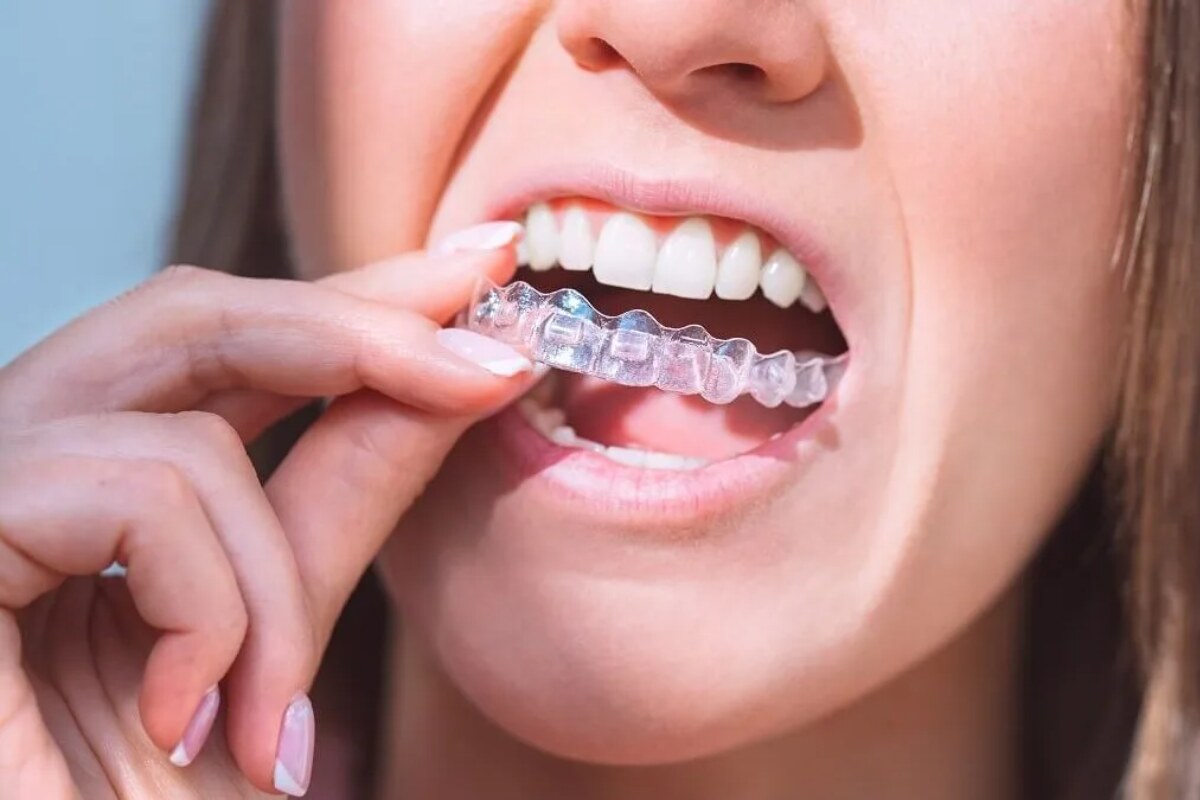
Can clear aligners really fix bite problems or spacing issues? Many patients visiting a dentist in Coquitlam wonder if Invisalign can correct overbites, underbites, or gaps without the need for metal braces. In many cases, the answer is yes, but the success of treatment depends on the type and severity of the dental concern and the treatment plan recommended.
Invisalign uses clear, removable aligners that gently move teeth into better positions over time. Let’s break down how it works for different alignment concerns and what you should know before starting treatment.
How Does Invisalign Work for Bite and Spacing Problems?
Invisalign uses a series of custom-made aligners worn daily. Each aligner makes small movements, guiding teeth into better alignment. Over time, this improves how teeth look and how the bite fits together.
For patients choosing Invisalign in Coquitlam, treatment planning is done digitally. This allows dentists to map out each stage of movement before treatment begins, making care more predictable and comfortable.
Can Invisalign Fix an Overbite?
An overbite happens when the upper teeth cover too much of the lower teeth. Mild to moderate overbites are commonly treated with Invisalign.
Invisalign for bite correction works by:
- Slowly move the upper and lower teeth into balance.
- Using aligners designed to guide jaw alignment
- Reducing pressure on certain teeth over time
Many patients notice improved comfort while chewing and less tooth wear once the bite is corrected.
Is Invisalign Effective for Underbite Correction?
An underbite occurs when the lower teeth sit in front of the upper teeth. Invisalign can help with mild to moderate underbites, especially when caused by tooth position rather than jaw structure.
Treatment may involve:
- Gradual repositioning of lower front teeth
- Aligners that help improve bite contact
- Careful monitoring throughout treatment
Severe underbites may need other orthodontic options, which highlights the importance of proper evaluation.
Can Invisalign Close Gaps Between Teeth?
Yes. Treating gaps with Invisalign is one of the most common reasons people choose clear aligners. Gaps can trap food, affect speech, and impact confidence.
Invisalign helps by:
- Gently pulling teeth closer together.
- Improving spacing without visible brackets
- Creating a more even smile over time
Most gap-related cases respond very well to aligner treatment.
Invisalign vs. Traditional Braces for These Issues
Here’s a simple comparison to help you understand when Invisalign may be suitable:
| Concern | Invisalign | Traditional Braces |
| Mild to moderate overbite | Effective | Effective |
| Mild underbite | Often suitable | Suitable |
| Large jaw alignment issues | Limited | Often recommended |
| Gaps between teeth | Very effective | Effective |
| Removability | Yes | No |
Understanding Invisalign limitations helps set realistic expectations and ensures the right treatment choice.
Who is a Good Candidate for Invisalign?
Not everyone is suited for clear aligners. Knowing who is a candidate for Invisalign depends on dental health, bite type, and commitment to wearing aligners.
You may be a good candidate if you:
- Have mild to moderate bite issues
- Want a removable, discreet option.
- Can wear aligners 20–22 hours daily
- Have healthy gums and teeth
A consultation at a dental clinic near you helps confirm if Invisalign is right for your needs.
What Are the Limits of Invisalign Treatment?
While Invisalign is advanced, it does have limits. Some complex bite problems may not respond well to aligners alone.
Common Invisalign limitations include:
- Severe jaw alignment issues
- Teeth needing large vertical movement
- Cases requiring surgical correction
In these situations, dentists may recommend other orthodontic approaches.
What is the Treatment Experience Like?
Most patients find Invisalign comfortable and easy to manage. Aligners are smooth, removable, and don’t interfere much with daily life.
Typical treatment benefits include:
- Easier brushing and flossing
- Fewer food restrictions
- Clear appearance during treatment
Small adjustments over time help achieve lasting results.
Take the First Step Toward a Healthier Bite!
Ready to improve your bite, close gaps, and feel more confident without metal braces? Clear aligners have helped many people achieve healthier, more balanced smiles. Book an appointment with Lafarge Dental today to explore your treatment options and receive a personalized plan designed just for your smile.
FAQs
Can Invisalign really fix bite problems?
Yes. Mild to moderate bite issues can be corrected effectively when aligner treatment is carefully planned and followed as directed.
Does Invisalign work faster than braces?
It depends on the case. Many patients finish Invisalign treatment in the same time or even sooner than traditional braces.
Will aligners affect speech?
Some people notice a small change in speech at first, but this usually improves within a few days as the mouth adjusts.
Are the results permanent?
Yes, results can last long term when retainers are worn as recommended after treatment.